How can community health care contribute to self-managing health?

Nowadays, patients are expected to take more and more responsibility in managing their illness/es. For patients to get to a state of self-management they require a lot of support from professionals. However, professional help is time-consuming and expensive. With the number of people with chronic illness growing, alternatives are welcomed. Community health care can be such an alternative.

The WHO  defines community health care “as environmental, social, and economic resources to sustain emotional and physical wellbeing among people in ways that advance their aspirations and satisfy their needs in their unique environment”. Successful community health care practices are exemplified through the availability of social support, health promoting services and amenities, instrumental support and role modelling. These practices allow people to retain, change and maintain their health. Further, through these practices the responsibility of looking after one’s health can become less of a burden for the patients and health system. To show the vast opportunities available, community health care can take place in neighbourhoods, sport clubs, churches or any other social group, essentially by optimizing the environment of the respective community.

Important and unique to community care, compared to professional care, are the positive effects that can come from a sense of belonging.

Community health care and its positive effects

The emotional bonds formed when belonging to a group have long been positively related to health, adjustment and well-being. In contrast, the feeling of not belonging can affect mental health negatively in comparison to when feeling connected, and can consequently negatively impact physical health and life expectancy.

In the context of self-management and chronic disease, support networks have been targeted as part of community health care. Findings show that good quality connections between neighbours can successfully aid people with chronic illnesses in improving health outcomes. Connections were strengthened when people were encouraged to share practical health information, help each other and check on each other, ultimately increasing the likelihood that healthy behaviours were adopted. Another example of strengthening a support network was achieved through training neighbours, trusted role models within a community, to be community health advisors promoting team sports. Research showed that patients were more likely to partake in sport activities led by someone they trust, who knows their local environment and who can offer extra advantages, e.g. socialising and social support. Through the aforementioned means self-manging one’s health becomes more appealing with the community’s support.
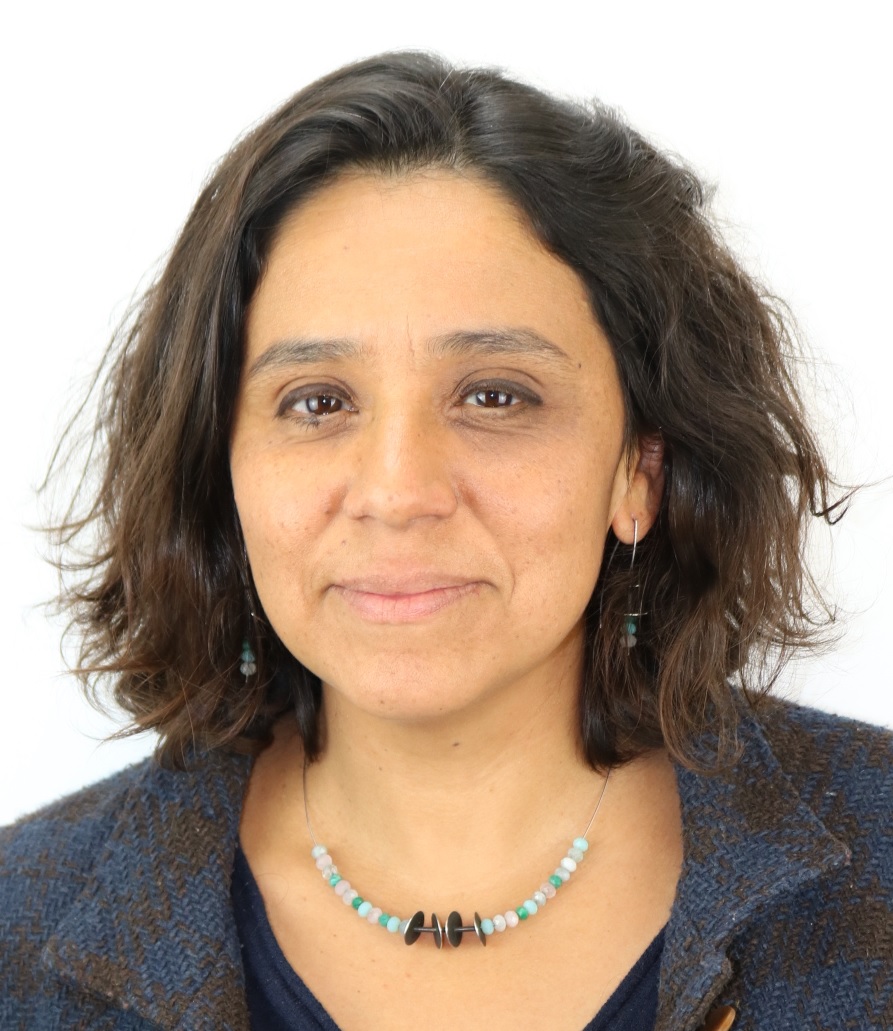
Cristina Spoiala

Cristina Spoiala

Cristina worked as a junior researcher at Nivel – institute for health services research in the Netherlands. She has a background in Social & Health Psychology, with a particular interest in community and care collectives, and alongside it Moral Psychology.

How COMPAR-EU contributes to this topic

In COMPAR-EU community interventions are being compared to interventions that take place in more traditional healthcare settings and to usual care. Example community interventions involve families, peers and close friends who were recruited to be trained/to assist in the process of supporting a patient. Researchers in other interventions also involve peers with the same chronic illnesses in order to make online communities available where patients can interact, discuss issues and offer each other social support. We may find from these studies that community health care is as effective as professional care for some health outcomes and may be administratively cheaper. From a further context analysis we will attempt to gain insights into what specific community aspects are helpful in chronic disease self-management.

While I have portrayed community care as a viable positive force for good, that is not to say that there are no disadvantages, as some small scale meta-analyses have shown by their mixed results. It is these mixed results that the current COMPAR-EU will come closer to untangling – answering the question: when and how can community care substitute or add to professional care?
A Cluster Randomized Trial Comparing Strategies for Translating Self-Management Support into Primary Care Practices

Self-management not only means to deal with the current condition, but also pursuing a holistic approach to mental and physical wellbeing. Self-management complements medical treatment to become more effective and successful. “Self-management has empowered me to better know and understand myself on so many levels” explains Jacqueline Bowman-Busato in her contribution.

For at least the past 23 years, I’ve been living with two complex chronic, relapsing diseases: Autoimmune Hashimoto’s and obesity. And yet, I can only say that it’s been the last 18 months where I have finally felt in control of my two diseases in any meaningful way. And this has been due to finally understanding and embracing responsible self-management.

Let me explain from a patient’s perspective. When I consciously started the journey of firstly realising that I had “a thyroid problem” which eventually was diagnosed as autoimmune hashimotos, I didn’t understand that a simple pill wasn’t enough to minimise symptoms. Critically, none of my medical specialists seemed to know or care about this fact either. The resultant search for energy in the wrong places aggravated my hashimotos symptoms (severe malabsorption of vitamin D and B as well as iron which all present as depression and severe anxiety). And all very quickly led to developing obesity. I never discussed obesity with my GP for 20 years (the average is 6 years according to a new study Action IO). I “dealt with it” by following holistic diets which always had a beginning, middle and very quick end!

Self-management has empowered me to better know and under-stand myself on so many levels.

It´s time to change

It was not until 18 months post bariatric surgery on 4 July 2016 that everything finally clicked into place for me. I realised that regardless of the good intentions of the public health environment, the sad fact of today’s chronic disease environment is medical treatment of physical manifestations rather than a holistic approach to mental as well as physical wellbeing, not to mention a lack of positive motivation to work together with health professionals in an empowering and empowered way.

Self-management has meant that I have had to take a very long and hard look at myself, the good, the bad and the very ugly truths in order to forge a personal pathway towards managing my life in such a way to optimise my mental health and wellbeing. Armed with my newly gained (and acknowledged) self-knowledge, I forged my own objectives-driven processes for achieving my goal of “mental clarity”. For me, brain fog has been my biggest barrier to sustainable management of both hashimotos and obesity. Having an objective of brain clarity rather than weight or specific blood values has meant that I’ve been able to take control of my health much more than if I solely relied on medication and then wondered why I was still malnourished to the point of continuing to seek energy in foods which are basically poison to me. Giving myself parameters with well-defined processes has significantly empowered me and raised my confidence levels to collaborate with my health care team. I am now listened to and heard.

Jacqueline_Bowman-Busato

Jacqueline Bowman-Busato

As a patient representative, Jacqueline has advised the Innovative Medicines Initiative (IMI) on patient engagement strategy, and provides expert advice to the European Commission on self-care policies. She works extensively on European as well as global projects bringing the key stakeholders together to build lasting consensus on global, regional and national levels.

Empowerment through self-management

Science very clearly states that obesity is a chronic relapsing disease. It‘s not the fault of one or other individual. In my world, that does not mean that I have to accept whatever medication I’m given in isolation. It means that I use the treatment (in my case the radical treatment of bariatric surgery) as a tool and I supplement with my own process for mental and physical wellbeing to put me on an even playing field to be able to optimise the medical treatment. Self-management empowers me to engage with the system and my health professionals. It allows me to give myself a bit of certainty which is not anxiety causing. It allows me to feel a partner in my own health. Self-management has empowered me to better know and understand myself on so many levels.

On the self-management of three chronic conditions – a story of perseverance

Health and wellness care requires the pro-active involvement of the patient. In this blog, Raymond Nangle describes his journey to self-manage three chronic conditions, and others – Asthma and COPD, Severe Stroke and Hypertension, and Obesity and Alcohol Addiction/Depression, through self-education, self-care and support groups as well as perseverance.

A bit of background – At 71 years of age, I now live with three chronic conditions: Asthma and Chronic Obstructive Pulmonary Disease (COPD), severe stroke and hypertension, and obesity brought on from alcohol addiction/depression. Each condition came at a different time in my life; asthma when I was a teenager, followed by hypertension in my mid-twenties; in my late thirties, I developed an addiction to alcohol, and depression as a result of painful events in my life. I also successfully recovered from a severe stroke in my late forties, which destroyed 15% of the left hemisphere of the lower cerebral cortex of my brain. Then, I was diagnosed with COPD and subsequently developed significant obesity related to my medications to manage COPD in my fifties.

The disruptive technology necessary to achieve a paradigm shift will have to come from emerging technologies, and from the patients themselves sharing their experiences!

Hope in a dark moment

Some of these conditions – my progressive COPD – threatened my life! My doctor told me that it was the end stage, and there were few things left to do but carry around oxygen and let the disease take its course. This prognosis emboldened my determination to manage my conditions and live well. You see, years before, I watched my uncle die in hospital in an oxygen tent gasping for his last breath, a big man I admired as a child gasping for his last breath. It was a memory that stayed with me, and most importantly, I promised myself that my children would not have to watch me die this way. It was a very traumatic moment when my doctor told me there was nothing more he could do and my future was going to be carrying around oxygen with me for whatever time I had left; it was then I considered putting an end to my life to end things quickly. But I didn’t.

ray

Raymond Nangle

Raymond Nangle is an independent patient representative, and member of the COMPAR-EU patient panel. Most notably, Raymond contributed to the COMPAR-EU core outcome sets workshop in Berlin, 2018. Originally from Ireland, Raymond currently resides in the Philippines.

Turning the corner

I thought about all of the times the odds had been stacked against me – I beat alcohol addiction, even though the head of the rehabilitation unit told me that with my attitude I had not got a good chance of survival unless I changed my attitude radically; I was discharged from the hospital after my stroke and told I would never lead a normal life again as the damage to my brain was permanent and irreversible; along with all of the aforementioned I had been successfully managing my asthma since my teens and had led a full and exciting life.

This gave me hope. Instead of ending things, I made an active decision to live and take responsibility for my chronic conditions, learning everything I could to make a full recovery and lead a full productive life. This is when I began my journey of health / wellness self-management.

Over these last three years, I have successfully managed my conditions as a result of 1) Self-Education, 2) Self-Management, and 3) Self-Help online and offline groups. Of course, some of my disease management has also been thanks to the intervention of the existing healthcare system especially my local Pharmacist – helping me monitor my conditions and find both short-acting and long-acting solutions for my conditions.

Time for a change

I joined the patient panel of COMPAR-EU as part of my journey to manage my COPD once and for all. It was at this time that I was put in touch with the project by my physiotherapist. My community pharmacist and caregiver joined me for the group meeting in Berlin in 2018, where things clicked into place for me.

I have come to the realisation that changing the well-established system-centred reactive health care (sickness care) to patient-centred wellness care is going to require a paradigm shift in the current system-centred Medicare philosophy which can only be evolved step-by-step within the structures of existing government health care systems over time. I believe the disruptive technology necessary to achieve global adaptation of a paradigm shift from existing reactive illness care system will come from patients themselves communicating with each other and their front-line clinicians in real time through emerging mobile technologies while educating themselves and taking proactive responsibility for their WELLNESS! It’s time for the status-quo to begin to change.

In the future, I believe existing government health care systems and resources will interactively morph together more easily and efficiently into care systems once patient-centred, self-learning, and self-care systems take hold and become the norm in every local community.

To that end I am launching my own personal online patient advocate initiative to help change the global health care system one small step at a time from corporate-centred reactive illness care to a true patient-centred self care wellness system for everyone. The journey of a thousand miles begins with the first step.

PS. A special note of appreciation and thanks for the financial and moral support of my pharmacist Geraldine Hetherton MPSI (Powers Pharmacy Kilmihil), my brother Brian Nangle and his medical sensor monitoring R&D tech start-up company (Filter Health Ltd). My friend, mentor and life coach Rachel Dungan MPSI and the invaluable moral support of my daughters Lisa and Aine and their mom Ann and my sons Richie and Raymond and their Healthy School Lunch company.

It is time that self-management and associated concepts become the default position of health care systems

In 2002 the NHS in England launched the first national programme for self-management based on the six-week course developed by Professor Kate Lorig and her team, then part of Stanford University. Over the next six years over 100,000 people with long-term health conditions attended the courses. Today the numbers going through that programme can be counted in the hundreds. What has changed? Is that a sign of success or failure?

Let us look at what has evolved over the last twenty years since the concept of the “Expert Patient” was first proposed in policy papers by the UK Government.

Soon after introduction of  the expert patient programme people who had been through the programme in the early years quickly started reporting that although they feel much more confident in managing their health condition, they were often met with clinicians who did not want to involve them in decisions about her health and were only focused on their disease and symptoms – very much “what’s the matter with you”. In addition, services were designed in a way that assumed everyone had high health literacy and a one size fits all approach – which operated best when people were passive and compliant!

Clinicians need to change their behaviour and recognise that what they think is a good outcome might not be what’s important to the person they are treating.

The comprehensive model of Personalised Care

In response to these issues the Health Foundation set up the co-creating health programme, a six-year action research project that identified three areas to focus on if self-management was to become more mainstream. These were:

  • Structured evidence based self-management support for people with long-term conditions;
  • Give clinicians the skills to engage in a coaching/person-centred care approach;
  • Make changes to the care pathways to actively promote self-management and tailor care and support according to a person’s level of health literacy.

The programme helped to emphasise that the majority of health outcomes are not dependent on clinical interventions but as much the behaviour and environment of the individual and their support networks. The programme showed positive changes in levels of activation (measured by the Patient Activation Measure), anxiety and across a range of health behaviour related domains (measured by the Health education impact Questionnaire). Gradually we began to see other changes taking place in the NHS: The “what matters to me” campaign – the concept of person-centred care, and the recognition that quality health outcomes can only be achieved through collaboration based on what outcomes are most important to the individual.

All of these strands finally came together under the new banner of personalised care and the comprehensive model for personalised care. The model sets out six key interdependent areas that need to be in place. This comprehensive model of personalised care establishes:

  • Whole population approaches to supporting people of all ages and their carers to manage their physical and mental health and wellbeing, build community resilience, and make informed decisions and choices when their health changes;
  • A proactive and universal offer of support to people with long-term physical and mental health conditions to build knowledge, skills and confidence and to live well with their health condition;
  • Intensive and integrated approaches to empowering people with more complex needs to have greater choice and control over the care they receive.

The Model brings together six, evidence-based components or programmes, these are:

This model now forms a core part of the five-year plan for the NHS.

Jim Phillips

Jim Phillips

Jim Phillips led on the setting up of the NHS Expert Patient Programme and  has been extensively involved in training health and care professionals in key skills and approaches to support self-management both in the UK and Internationally.

Engage people in personalised care

The current coronavirus situation has demonstrated more than ever the need to have personalised care conversations around what is important to people and what they can do to stay well. It has taken 20 years to get to a point where self-management is fully embed as a core part of how health services operate. Recognising that decisions about care and treatment are joint decisions, drawing upon a person’s lived experience and what is important to them and the clinical expertise in understanding the range of evidence-based treatments. For people to engage in a personalised care approach it´s now recognised that people with long-term health conditions need to be supported to develop the confidence knowledge and skills to engage and manage her health conditions based on what matters to them, but also clinicians need to be trained to be able to have coaching based conversations to better understand the wide psychosocial needs of people seeing them and not just viewing them through a narrow bio-medical lens.

The original NHS Expert Patient Programme put down a clear marker and a challenge to the NHS that people want to be involved in all aspect of their health and care and arguably had the scale and impact to challenge the existing status quo ensure that self-management was here to stay.

The Promise of Electronic Health Records to Promote Shared Decision Making: A Narrative Review and a Look Ahead

Self-management not only means to deal with the current condition, but also pursuing a holistic approach to mental and physical wellbeing. Self-management complements medical treatment to become more effective and successful. “Self-management has empowered me to better know and understand myself on so many levels” explains Jacqueline Bowman-Busato in her contribution.

For at least the past 23 years, I’ve been living with two complex chronic, relapsing diseases: Autoimmune Hashimoto’s and obesity. And yet, I can only say that it’s been the last 18 months where I have finally felt in control of my two diseases in any meaningful way. And this has been due to finally understanding and embracing responsible self-management.

Let me explain from a patient’s perspective. When I consciously started the journey of firstly realising that I had “a thyroid problem” which eventually was diagnosed as autoimmune hashimotos, I didn’t understand that a simple pill wasn’t enough to minimise symptoms. Critically, none of my medical specialists seemed to know or care about this fact either. The resultant search for energy in the wrong places aggravated my hashimotos symptoms (severe malabsorption of vitamin D and B as well as iron which all present as depression and severe anxiety). And all very quickly led to developing obesity. I never discussed obesity with my GP for 20 years (the average is 6 years according to a new study Action IO). I “dealt with it” by following holistic diets which always had a beginning, middle and very quick end!

Self-management has empowered me to better know and under-stand myself on so many levels.

It´s time to change

It was not until 18 months post bariatric surgery on 4 July 2016 that everything finally clicked into place for me. I realised that regardless of the good intentions of the public health environment, the sad fact of today’s chronic disease environment is medical treatment of physical manifestations rather than a holistic approach to mental as well as physical wellbeing, not to mention a lack of positive motivation to work together with health professionals in an empowering and empowered way.

Self-management has meant that I have had to take a very long and hard look at myself, the good, the bad and the very ugly truths in order to forge a personal pathway towards managing my life in such a way to optimise my mental health and wellbeing. Armed with my newly gained (and acknowledged) self-knowledge, I forged my own objectives-driven processes for achieving my goal of “mental clarity”. For me, brain fog has been my biggest barrier to sustainable management of both hashimotos and obesity. Having an objective of brain clarity rather than weight or specific blood values has meant that I’ve been able to take control of my health much more than if I solely relied on medication and then wondered why I was still malnourished to the point of continuing to seek energy in foods which are basically poison to me. Giving myself parameters with well-defined processes has significantly empowered me and raised my confidence levels to collaborate with my health care team. I am now listened to and heard.

Jacqueline_Bowman-Busato

Jacqueline Bowman-Busato

As a patient representative, Jacqueline has advised the Innovative Medicines Initiative (IMI) on patient engagement strategy, and provides expert advice to the European Commission on self-care policies. She works extensively on European as well as global projects bringing the key stakeholders together to build lasting consensus on global, regional and national levels.

Empowerment through self-management

Science very clearly states that obesity is a chronic relapsing disease. It‘s not the fault of one or other individual. In my world, that does not mean that I have to accept whatever medication I’m given in isolation. It means that I use the treatment (in my case the radical treatment of bariatric surgery) as a tool and I supplement with my own process for mental and physical wellbeing to put me on an even playing field to be able to optimise the medical treatment. Self-management empowers me to engage with the system and my health professionals. It allows me to give myself a bit of certainty which is not anxiety causing. It allows me to feel a partner in my own health. Self-management has empowered me to better know and understand myself on so many levels.

Telehealth for global emergencies: Implications for coronavirus disease 2019 (COVID-19)

Self-management not only means to deal with the current condition, but also pursuing a holistic approach to mental and physical wellbeing. Self-management complements medical treatment to become more effective and successful. “Self-management has empowered me to better know and understand myself on so many levels” explains Jacqueline Bowman-Busato in her contribution.

For at least the past 23 years, I’ve been living with two complex chronic, relapsing diseases: Autoimmune Hashimoto’s and obesity. And yet, I can only say that it’s been the last 18 months where I have finally felt in control of my two diseases in any meaningful way. And this has been due to finally understanding and embracing responsible self-management.

Let me explain from a patient’s perspective. When I consciously started the journey of firstly realising that I had “a thyroid problem” which eventually was diagnosed as autoimmune hashimotos, I didn’t understand that a simple pill wasn’t enough to minimise symptoms. Critically, none of my medical specialists seemed to know or care about this fact either. The resultant search for energy in the wrong places aggravated my hashimotos symptoms (severe malabsorption of vitamin D and B as well as iron which all present as depression and severe anxiety). And all very quickly led to developing obesity. I never discussed obesity with my GP for 20 years (the average is 6 years according to a new study Action IO). I “dealt with it” by following holistic diets which always had a beginning, middle and very quick end!

Self-management has empowered me to better know and under-stand myself on so many levels.

It´s time to change

It was not until 18 months post bariatric surgery on 4 July 2016 that everything finally clicked into place for me. I realised that regardless of the good intentions of the public health environment, the sad fact of today’s chronic disease environment is medical treatment of physical manifestations rather than a holistic approach to mental as well as physical wellbeing, not to mention a lack of positive motivation to work together with health professionals in an empowering and empowered way.

Self-management has meant that I have had to take a very long and hard look at myself, the good, the bad and the very ugly truths in order to forge a personal pathway towards managing my life in such a way to optimise my mental health and wellbeing. Armed with my newly gained (and acknowledged) self-knowledge, I forged my own objectives-driven processes for achieving my goal of “mental clarity”. For me, brain fog has been my biggest barrier to sustainable management of both hashimotos and obesity. Having an objective of brain clarity rather than weight or specific blood values has meant that I’ve been able to take control of my health much more than if I solely relied on medication and then wondered why I was still malnourished to the point of continuing to seek energy in foods which are basically poison to me. Giving myself parameters with well-defined processes has significantly empowered me and raised my confidence levels to collaborate with my health care team. I am now listened to and heard.

Jacqueline_Bowman-Busato

Jacqueline Bowman-Busato

As a patient representative, Jacqueline has advised the Innovative Medicines Initiative (IMI) on patient engagement strategy, and provides expert advice to the European Commission on self-care policies. She works extensively on European as well as global projects bringing the key stakeholders together to build lasting consensus on global, regional and national levels.

Empowerment through self-management

Science very clearly states that obesity is a chronic relapsing disease. It‘s not the fault of one or other individual. In my world, that does not mean that I have to accept whatever medication I’m given in isolation. It means that I use the treatment (in my case the radical treatment of bariatric surgery) as a tool and I supplement with my own process for mental and physical wellbeing to put me on an even playing field to be able to optimise the medical treatment. Self-management empowers me to engage with the system and my health professionals. It allows me to give myself a bit of certainty which is not anxiety causing. It allows me to feel a partner in my own health. Self-management has empowered me to better know and understand myself on so many levels.

CLOSED – Call for proposals for the COMPAR-EU platform development

In the last months, all COMPAR-EU partners were working closely together to advance our work on the specification and functionality of our final product: the COMPAR-EU platform. (more…)

The importance of self-management support in times of COVID-19

The COVID-19 pandemic has forced many countries to impose mandatory confinement measures and mobility restrictions. Although a necessary decision to contain the spread of COVID-19, it has proven hard for citizens, and it is not without risks in other areas of health.

We are taking advantage of this month’s issue to reflect on the need to support the population, especially those suffering from chronic diseases, to actively implement self-management practices.

Self-management support is even more important today to attend patients´ needs, prevent exacerbations, avoidable hospitalizations, and progression of the severity of chronic conditions.

Supporting healthy lifestyles and self-management of diseases as a priority

In the context of the COVID-19 pandemic, we need to advocate and support healthcare professionals to continue promoting mental health care and healthy lifestyles. Governments that have not yet done so, are encouraged to promote physical exercise, daily walks, and access to family-friendly community spaces, while maintaining social distancing measures. The promotion of healthy eating is to be emphasized, considering the reduction in energy expenditure and physical activity that has occurred due to confinement. At the same time, warning the population not to overdo physical activity is also essential. As for the management of chronic diseases, we must urgently ensure that patient contact is not lost. This can be achieved by promoting the use of remote consultations and seeking additional strategies to accompany patients in their care, such as family involvement.

Epidemiological data has shown that older patients with chronic conditions are at high risk of severe and critical illness from COVID-19, resulting in high mortality (Yang, Jing, 2020). Therefore, it is even more important to highlight the need for effective communication with patients while providing adequate self-management support, including advice on self-monitoring and early detection of worsening symptoms, as well as establishing point of contact for any health need. These measures could contribute to reducing exacerbations, avoidable hospitalizations, and associated healthcare costs. This will be also important during post-confinement periods to avoid symptoms of post-traumatic stress and the progression of the severity of chronic diseases (WHO, 2020).

00 Carola

Dr Carola Orrego Villagrán

Carola, Deputy Director of the Avedis Donabedian University Institute (FAD), has extensive experience in the design, management, and coordination of research and development projects in the field of quality improvement and patient safety. She has participated in several European and Spanish research projects focused on patient empowerment and self-management.

Implementing self-management support in the context of COVID-19

The COMPAR-EU project, currently in the analysis stage, is examining the comparative effectiveness and cost-effectiveness of self-management interventions and we do not yet know which self-management strategies are most effective and cost-effective to provide good guidance to stakeholders. However, we know that there is substantial evidence from hundreds of systematic reviews supporting the effectiveness of different types of remote interventions for several types of outcomes. Many of these describe positive results in short-term interventions that can be of value in the context of COVID-19 (PROSTEP, 2015).

Regarding the scope of implementation, most of these interventions can be carried out by a range of healthcare professionals, specially from primary care, including doctors, nurses, physiotherapists, dietitians, psychologists, and others. The wide scope of healthcare professionals who can implement these interventions can improve the distribution of the burden of care in the current context of scarce resources. Intervention outcomes, within the context of COVID-19, should prioritize patient activation and self-efficacy, psychological wellbeing, maintaining healthy lifestyles, self-monitoring and early detection of worsening symptoms, ensuring adherence to treatments, and reducing avoidable hospitalizations. When implementing non-face-to-face interventions, it is essential to ensure a variety of security measures including informed consent, confidentiality, and accurate patient identification (Ghosh, Gupta & Misra, 2020). Published recommendations regarding the use of telehealth in the context of a global emergency should also be taken into account (e.g. Smith et al., 2020). Finally, we need to consider that the type of support provided is aligned with the patients’ needs and tailored to their health literacy level, considering several means of remote delivery and avoiding digital inequities, particularly with older people.

Self-management support is even more important today, and we need to ensure continuity of care for our patients. Do not hesitate to contact the COMPAR-EU team for any assistance or further information related to self-management support.

Health literacy and public health: A systematic review and integration of definitions and models

Self-management not only means to deal with the current condition, but also pursuing a holistic approach to mental and physical wellbeing. Self-management complements medical treatment to become more effective and successful. “Self-management has empowered me to better know and understand myself on so many levels” explains Jacqueline Bowman-Busato in her contribution.

For at least the past 23 years, I’ve been living with two complex chronic, relapsing diseases: Autoimmune Hashimoto’s and obesity. And yet, I can only say that it’s been the last 18 months where I have finally felt in control of my two diseases in any meaningful way. And this has been due to finally understanding and embracing responsible self-management.

Let me explain from a patient’s perspective. When I consciously started the journey of firstly realising that I had “a thyroid problem” which eventually was diagnosed as autoimmune hashimotos, I didn’t understand that a simple pill wasn’t enough to minimise symptoms. Critically, none of my medical specialists seemed to know or care about this fact either. The resultant search for energy in the wrong places aggravated my hashimotos symptoms (severe malabsorption of vitamin D and B as well as iron which all present as depression and severe anxiety). And all very quickly led to developing obesity. I never discussed obesity with my GP for 20 years (the average is 6 years according to a new study Action IO). I “dealt with it” by following holistic diets which always had a beginning, middle and very quick end!

Self-management has empowered me to better know and under-stand myself on so many levels.

It´s time to change

It was not until 18 months post bariatric surgery on 4 July 2016 that everything finally clicked into place for me. I realised that regardless of the good intentions of the public health environment, the sad fact of today’s chronic disease environment is medical treatment of physical manifestations rather than a holistic approach to mental as well as physical wellbeing, not to mention a lack of positive motivation to work together with health professionals in an empowering and empowered way.

Self-management has meant that I have had to take a very long and hard look at myself, the good, the bad and the very ugly truths in order to forge a personal pathway towards managing my life in such a way to optimise my mental health and wellbeing. Armed with my newly gained (and acknowledged) self-knowledge, I forged my own objectives-driven processes for achieving my goal of “mental clarity”. For me, brain fog has been my biggest barrier to sustainable management of both hashimotos and obesity. Having an objective of brain clarity rather than weight or specific blood values has meant that I’ve been able to take control of my health much more than if I solely relied on medication and then wondered why I was still malnourished to the point of continuing to seek energy in foods which are basically poison to me. Giving myself parameters with well-defined processes has significantly empowered me and raised my confidence levels to collaborate with my health care team. I am now listened to and heard.

Jacqueline_Bowman-Busato

Jacqueline Bowman-Busato

As a patient representative, Jacqueline has advised the Innovative Medicines Initiative (IMI) on patient engagement strategy, and provides expert advice to the European Commission on self-care policies. She works extensively on European as well as global projects bringing the key stakeholders together to build lasting consensus on global, regional and national levels.

Empowerment through self-management

Science very clearly states that obesity is a chronic relapsing disease. It‘s not the fault of one or other individual. In my world, that does not mean that I have to accept whatever medication I’m given in isolation. It means that I use the treatment (in my case the radical treatment of bariatric surgery) as a tool and I supplement with my own process for mental and physical wellbeing to put me on an even playing field to be able to optimise the medical treatment. Self-management empowers me to engage with the system and my health professionals. It allows me to give myself a bit of certainty which is not anxiety causing. It allows me to feel a partner in my own health. Self-management has empowered me to better know and understand myself on so many levels.

Self-management, a challenge for people with low health literacy that needs tailored action

People are expected more and more to play an active role in their own health care. For many individuals such role is difficult and they lack the necessary skills to do so. For successful self-management health literacy is crucial.

Every day, people are confronted with situations that involve important decisions about their health, in supermarkets, at work, at home or during health care visits. Only some of these decisions are taken in a face-to-face contact between patients and health care professionals; many more are made when people are on their own and dealing with often unfamiliar or complex information or situations. For example they have to take medicines following the prescriptions on a pill box, choose between the right foods when following a diet, monitor their symptoms or have to decide how to respond  to a severe public health outbreak like currently with COVID-19.

Health Literacy is much more than being able to read and understand. By improving people’s access to health information and their capacity to use it, health literacy is critical to empowerment.

Health literacy and its importance

To be able to take such decisions and take actions that protect and promote their health, people need the skills to find, understand and use health information. We call these skills health literacy. Health literacy broadly refers to “the cognitive and social skills which determine the motivation and ability of individuals to gain access to, understand and use information in ways which promote and maintain good health” (Nutbeam, D. 1998).

It has been found that nearly half of the adults in European countries have inadequate or problematic health literacy that adversely affects their health (Sørensen K. et al. 2015). Health literacy has been linked to worse individual health management (overeating, drinking too much alcohol, smoking, lack of exercise, ignoring symptoms), is often associated with a lack of understanding of health advice from public health information campaigns or medical professionals. Poor health literacy has also been shown to affect individuals’ ability to correctly follow prescription instructions for medications, and their capacity to self-manage diseases.

Monique

Dr Monique Heijmans

Monique Heijmans works as a senior researcher at Nivel – institute for health services research in the Netherlands. She is an expert in the area of (determinants of) self-management and chronic illness and has extensive research experience in research on psychosocial factors and their interaction with health behavior and health.

Health literacy is not just an individual issue

Given the poor health outcomes, it is expected that improving individual levels of literacy in society would produce substantial health benefits. Improving health literacy in patients provides the foundation on which they are enabled to self-manage more successfully and to play an active role in improving their own health. However, health literacy is not just an individual issue. People can  learn and improve their skills but also health care itself can be changed to make it simpler and more accessible for people with low health literacy. Instead of defining health literacy skills as an individual problem, we can better speak of a mismatch between the patient and the care environment (Heijmans, M. et al. 2015). By improving people’s access to health information and their own capacity to use it effectively (Rademakers, J. Heijmans, M. 2018), health literacy will be critical to empowerment.

In COMPAR-EU we will collate and distribute examples of best practice in health literacy intervention development, and provide evidence of what works, in which contexts, and why. Both on an individual level by looking which kind of interventions can empower people with low health literacy and increase their knowledge, confidence and capacity to act. But also on a health care systems level by picturing context factors that make self-management interventions more successful for people who are less health literate.